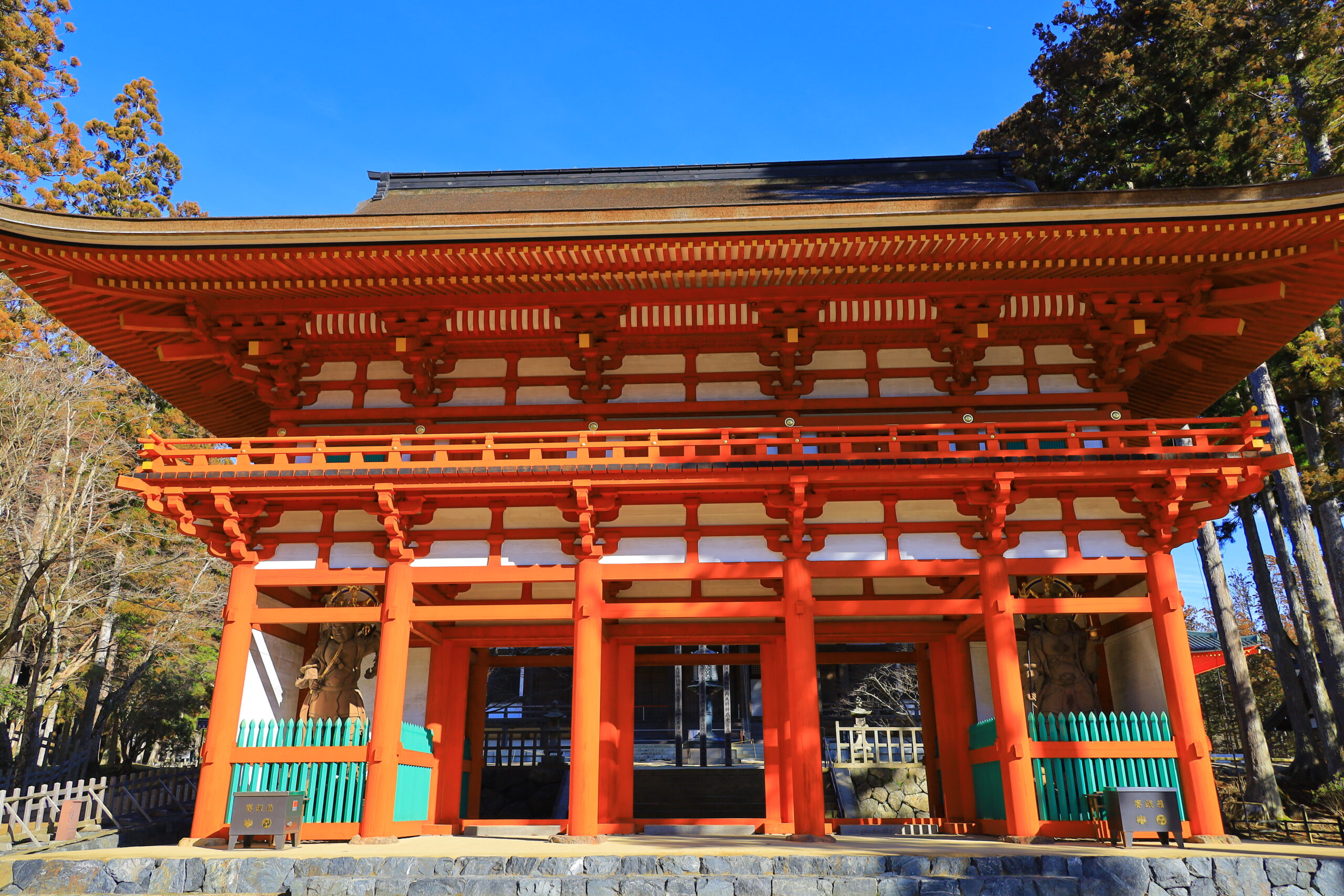
A Sacred Mountain That Continues to Inspire the World
More than 1,200 years ago, Kobo Daishi Kukai founded Koyasan as a center of Buddhist practice and spiritual learning.
If Kukai could visit Koyasan today, what would surprise him the most?
While modern technology and transportation would certainly catch his attention, he might be even more amazed to discover that the spiritual heart of Koyasan remains alive after more than twelve centuries.
1. Visitors from Around the World
During Kukai’s time, reaching Koyasan required a difficult journey through the mountains.
Today, visitors come from across Japan and around the globe to experience the sacred atmosphere of Koyasan. Many stay in temple lodgings, enjoy shojin ryori (Buddhist vegetarian cuisine), and walk through the peaceful Okunoin Cemetery.
Kukai would likely be amazed to see people of different cultures and nationalities gathering in the mountain sanctuary he founded.
2. Koyasan as a UNESCO World Heritage Site
When Kukai established Koyasan, it was a secluded place dedicated to religious practice.
Today, Koyasan is recognized worldwide as part of the UNESCO World Heritage property known as the Sacred Sites and Pilgrimage Routes in the Kii Mountain Range.
The fact that this sacred place continues to be appreciated and protected more than a thousand years later would surely impress its founder.
3. Sharing Koyasan with the World Through Technology
Modern visitors can instantly share photographs and videos with people around the world.
Images of Danjo Garan, the towering cedar forests, and the mystical atmosphere of Okunoin inspire countless travelers online every day.
What once could only be witnessed in person can now reach a global audience within seconds.
4. The Enduring Spirit of Prayer
Perhaps the greatest surprise for Kukai would be that the purpose of Koyasan has remained unchanged.
People continue to visit for prayer, meditation, memorial services, and spiritual reflection. They seek peace, wisdom, and a deeper understanding of themselves.
Although the world has changed dramatically, the spiritual traditions of Koyasan continue to thrive.
5. The Modern Pilgrimage Linking Koyasan and Kumano Kodo
Many travelers today combine Koyasan with the UNESCO World Heritage Kumano Kodo pilgrimage routes.
This journey allows visitors to experience Japan’s Buddhist traditions, sacred shrines, and stunning natural landscapes in a single pilgrimage.
The timeless appeal of spiritual renewal continues to attract visitors from around the world.
Conclusion
Kukai would likely be astonished by modern transportation, international tourism, and digital technology.
Yet he would probably recognize something familiar: the human desire for meaning, peace, and spiritual connection.
More than 1,200 years after its founding, Koyasan remains a living sacred destination where visitors can reflect, learn, and reconnect with themselves.
Koyasan Private Sightseeing Taxi Tour (3 Hours) – ¥28,000 (Toyota Alfard)